
Overcurrent trip on a frequency converter: what it means and what to check before sending the drive for repair
20 Nov 2026
What is an overcurrent trip?
The drive measures the current in its output phases. When the current goes above the limit set by the manufacturer, the drive switches its output off to protect the power stage and shows a fault.
Danfoss gives this limit for the FC 302 as approximately 200% of the rated current. ABB describes it as output current above the internal fault limit.
The trip does not mean the drive is broken. It means that something asked for more current than the drive allows, or that the drive measured more than it should.
What the main brands call it
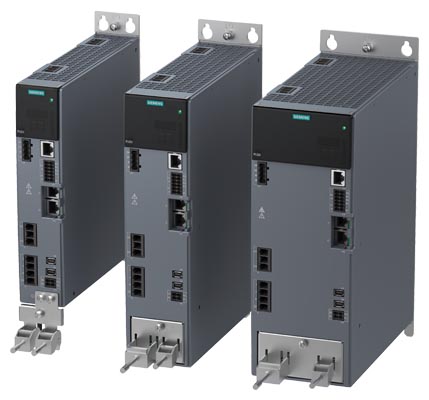
- Siemens SINAMICS: F30001, Power unit: Overcurrent.
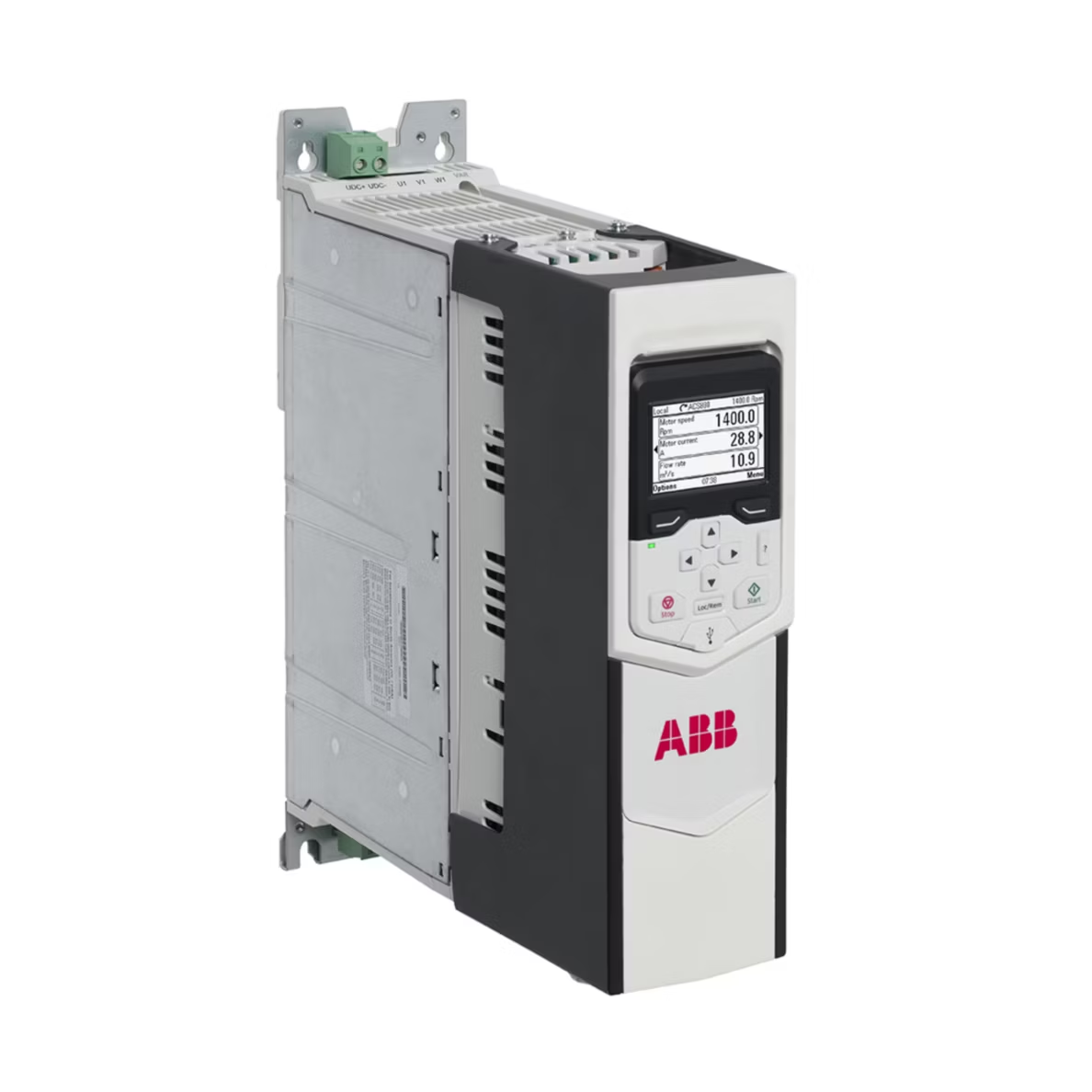
- ABB ACS880: 2310, Overcurrent. Related: 2330, Earth leakage.
- Danfoss VLT (FC 302): Alarm 13, Overcurrent. Related: Alarm 14, Earth (ground) fault, and Alarm 16, Short circuit.
- Schneider Electric Altivar: OCF, Overcurrent. Related: SCF1, Short circuit.
Codes depend on the model and the firmware. Always check the manual of your own drive.
Common causes outside the drive
The manufacturers' manuals list the same causes again and again:
- The load is mechanically blocked, or too heavy for the drive and the motor.
- The motor data entered in the drive do not match the motor rating plate, or the motor is larger than the drive.
- The motor is connected in the wrong configuration (star or delta).
- The acceleration ramp is too short.
- There is a short circuit or an earth fault in the motor or in the motor cable.
- A contactor opens and closes in the motor cable while the drive is running.
- The motor cables are very long, or the supply has voltage dips.
What to check before sending the drive
These checks are made outside the drive, by qualified personnel, with the installation switched off and locked out. Do not open the drive: its DC bus capacitors stay charged after the supply is off. Wait at least the discharge time printed on the drive before touching its terminals.
- Note the exact fault code and when it appears: at start, during acceleration, at full load or at random.
Why: the moment often points to the cause. A trip as soon as the drive starts points to the motor circuit or the settings; a trip under load points to the load; a random trip points to the supply or a contactor. The fault history of the drive often holds more than one code. - With the power off, check that the motor shaft turns freely.
Why: a blocked or jammed load makes the motor draw far more than its rated current, and the drive trips to protect itself. That is a mechanical fault, not a drive fault. - Compare the motor rating plate with the drive rating and with the motor data entered in the drive.
Why: the drive uses these data to control the motor and to set its current limits. Wrong data, or a motor larger than the drive, can cause a healthy drive trip. - Check the star or delta connection in the motor terminal box.
Why: the connection must match the output voltage of the drive. A wrong connection changes the voltage across the windings and the current the motor draws. - Disconnect the motor cable from the drive, then measure the insulation of the motor and of the cable with an insulation tester. Never apply an insulation tester to the drive terminals.
Why: damaged insulation or an earth fault in the motor or the cable produces exactly this trip. The cable is disconnected first because the test voltage can destroy the output stage of the drive. - Check that no contactor switches in the motor cable are operated while the drive is running.
Why: opening or closing the motor circuit while current flows creates current and voltage peaks. The drive sees them as an overcurrent, and repeated peaks can damage its output stage. - Check that the acceleration time is not excessively short.
Why: a ramp that is too short asks the motor to reach speed faster than the current limit allows, especially with a heavy load or a large flywheel mass.
If one of these checks finds the cause, the drive may not need a repair at all, which saves the shipping and the diagnosis fee. If they find nothing, your notes still shorten the diagnosis.
When the drive itself is the likely cause
The motor and its cable may test good, and the settings may match the motor, yet the trip keeps coming back, for example, as soon as the drive starts on a light load. Then the fault is probably inside the drive.
Typical internal causes are a failed IGBT module, a faulty gate driver, or a current sensor that no longer measures correctly. Siemens' own list of remedies for F30001 ends with replacing the power unit.
A component-level repair is the alternative: the failed components are located and replaced, and the drive is tested before it goes back, instead of replacing the whole power unit.
What to send with the drive
Send the fault code, when it appears, the motor data and what you have already checked. The repair request form asks for exactly this, and it shortens the diagnosis.
This article is general information. Always follow the manufacturer's manual and the safety rules of your site.
Sources
- Siemens, SINAMICS G130/G150 List Manual: F30001, causes
- Siemens, SINAMICS G130/G150 List Manual: F30001, remedies
- ABB, ACS880 firmware manual: fault messages 2310 and 2330
- Danfoss, VLT AutomationDrive FC 302 Operating Instructions (MG34U402): alarms 13, 14 and 16
- Danfoss, Top ten tech support calls
- Schneider Electric FAQ: OCF on Altivar ATV630 / ATV930
- Schneider Electric FAQ: OCF on Altivar ATV12
- Schneider Electric FAQ: SCF1 on Altivar ATV320